
In many Singapore homes, space is tight, and ceilings can feel lower than you would like, especially in bedrooms and compact living areas. At the same time, heat and humidity make it hard to stay comfortable without running aircon all day.
Big Ass Fans offers low-profile ceiling fans designed to sit closer to the ceiling while still moving air effectively, making them ideal for small apartments. This guide explains how they can enhance comfort in small Singapore apartments, what to look for when choosing one, and how to set it up for the best results.
What Low-Profile Fans Do Better in Small Homes
Low-profile fans are popular in Singapore because they improve comfort without taking up visual or physical space.
The main benefits at a glance
- Better clearance for lower ceilings
- Improved airflow without bulky hardware
- Helps rooms feel cooler through air movement
- Can support air conditioning efficiency when used together
- Clean, modern look that suits compact spaces
If your home feels stuffy or “sticky” even with windows open, airflow is usually the missing piece.
What Is a Low-Profile (Hugger) Ceiling Fan?
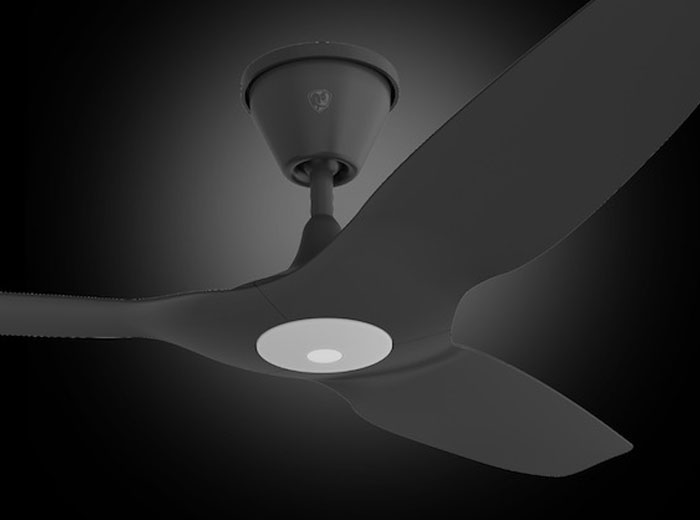
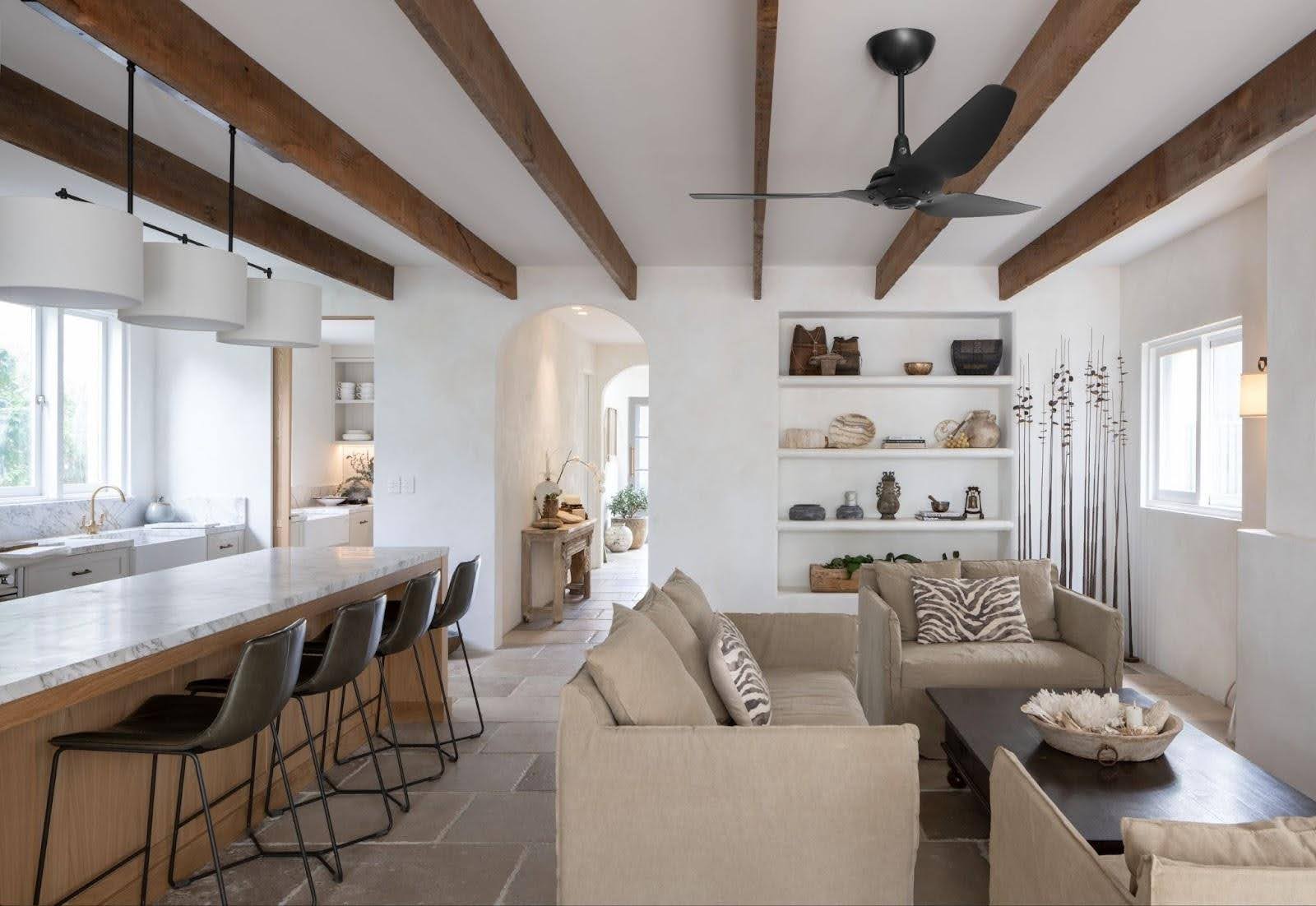
A low-profile ceiling fan (sometimes called a hugger fan) is designed to mount closer to the ceiling than a standard fan.
Low-profile vs standard ceiling fans
Key differences:
- Flush mount design: sits close to the ceiling
- Shorter drop: less hanging space below the fan
- Better for lower ceilings: reduces the chance of the fan feeling too “low” in the room
This makes it a practical option for many HDB flats and condos where ceiling height and clearance matter.
When low-profile is not the best choice
Low-profile fans may not be ideal if:
- You have very high ceilings and need a downrod to bring airflow lower
- You have a large open-plan space and need wider airflow coverage
- Your room layout needs a fan positioned lower for stronger direct airflow
In those cases, a standard fan setup might deliver better coverage.
Why Airflow Matters More in Small Apartments
Small spaces can feel warmer faster, especially in Singapore’s humidity.
Comfort in Singapore humidity
In humid weather, still air feels uncomfortable because sweat does not evaporate as easily. Air movement helps by:
- Supporting sweat evaporation
- Reducing the “sticky” feeling
- Making the room feel cooler even if the temperature stays the same
This is why a fan can make a noticeable difference for comfort, especially when you are sitting still, working, or trying to sleep.
Small rooms heat up fast
Common Singapore hot spots include:
- Bedrooms with limited cross-ventilation
- Study corners with laptops and monitors
- Living rooms that get afternoon sun
- Kitchens where cooking adds heat and humidity
In small rooms, airflow can quickly become uneven. One corner feels stuffy while another feels fine.
How Low-Profile Fans Enhance Comfort (Room by Room)
Low-profile fans work best when you match the fan size and placement to the room.
Living room and dining area
In compact living spaces, a low-profile fan can:
- Improve overall air circulation for the whole family
- Reduce hot spots near windows or balconies
- Make the room feel more comfortable without blasting aircon
If you host guests often, airflow also helps the room feel fresher and less humid.
Bedrooms
Bedrooms are where comfort matters most, especially at night.
A low-profile fan can support:
- Gentler airflow for sleeping
- Better comfort without feeling “windy”
- A cooler-feeling room when paired with aircon on a higher temperature setting
Noise matters in bedrooms, so prioritise a fan designed for quiet operation.
Study or home office corners
If you work from home, a fan can reduce that mid-day “stuffy” feeling.
It helps by:
- Keeping air moving around your desk area
- Reducing discomfort during long screen time
- Supporting focus, especially during warmer months
Choosing the Right Low-Profile Fan for Your Space
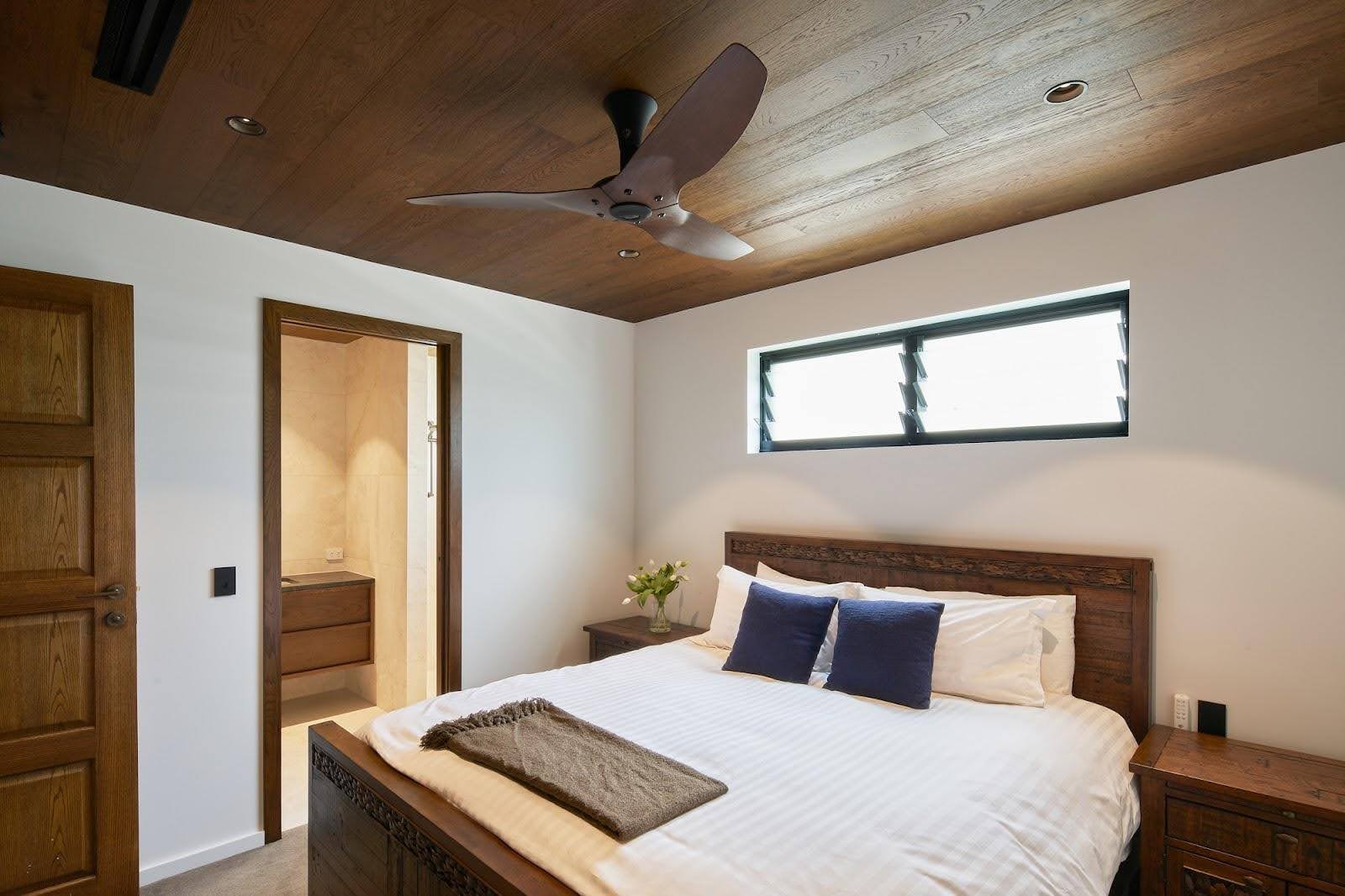
The best fan is not always the biggest or the fastest. It is the one that suits your room and lifestyle.
Residential Fans offers a range of low-profile and residential fans designed specifically for small apartments, ensuring optimal airflow, quiet operation, and safe installation.
Ceiling height and clearance (Singapore practical guide)
In Singapore homes, clearance is a real concern.
Practical considerations:
- Make sure there is safe clearance below the fan, especially in bedrooms
- Consider where people walk, stand, or stretch (near beds, wardrobes, and dining areas)
- If your ceiling is low, a low-profile fan helps reduce the “fan is too close” feeling
If you are unsure, professional advice is worth it because the right mounting affects safety and performance.
Fan size and blade span
Fan size should match room size.
General guidance:
- Small bedrooms: smaller blade span is often enough
- Living rooms: a larger blade span may be needed for better coverage
- Long narrow rooms: placement and airflow direction matter as much as size
Avoid choosing a fan that is too small for the room. It may run at higher speeds more often, which can increase noise.
Airflow performance (what to check)
Look for:
- Strong airflow performance at comfortable speeds
- Multiple speed settings so you can adjust for day vs night
- Direction control so you can change airflow based on season and comfort
Many people forget about direction settings, but it can affect how the airflow feels.
Noise and motor type
For small apartments, quiet operation is a priority.
Noise can come from:
- Motor quality
- Blade balance
- Installation and mounting stability
- Running the fan at high speed all the time
If you are a light sleeper, choose a fan known for low noise at low to medium speeds.
Controls and convenience
In compact homes, convenience features are genuinely useful:
- Remote control for speed and direction
- Timer or sleep mode for bedtime use
- Wall control for quick access
- Smart controls if you want automation
The best setup is the one you will actually use daily.
Using Fans With Aircon to Feel Cooler (And Save Energy)
A fan does not replace aircon for cooling temperature, but it can improve comfort so you do not need to set aircon as cold.
The comfort strategy that works
A practical approach many Singapore households use:
- Set aircon to a slightly higher temperature
- Use the ceiling fan to circulate air evenly
- Reduce hot spots and improve comfort across the room
This can make the room feel cooler while reducing the “too cold, then too warm” cycle.
Common mistakes
Avoid these:
- Running the fan with blocked airflow (tall cabinets or clutter directly under it)
- Using the wrong direction setting for your comfort preference
- Setting fan speed too high at night, which can feel drying or uncomfortable
Aim for steady, gentle airflow for sleeping.
Installation and Placement Tips (Avoid Common Errors)
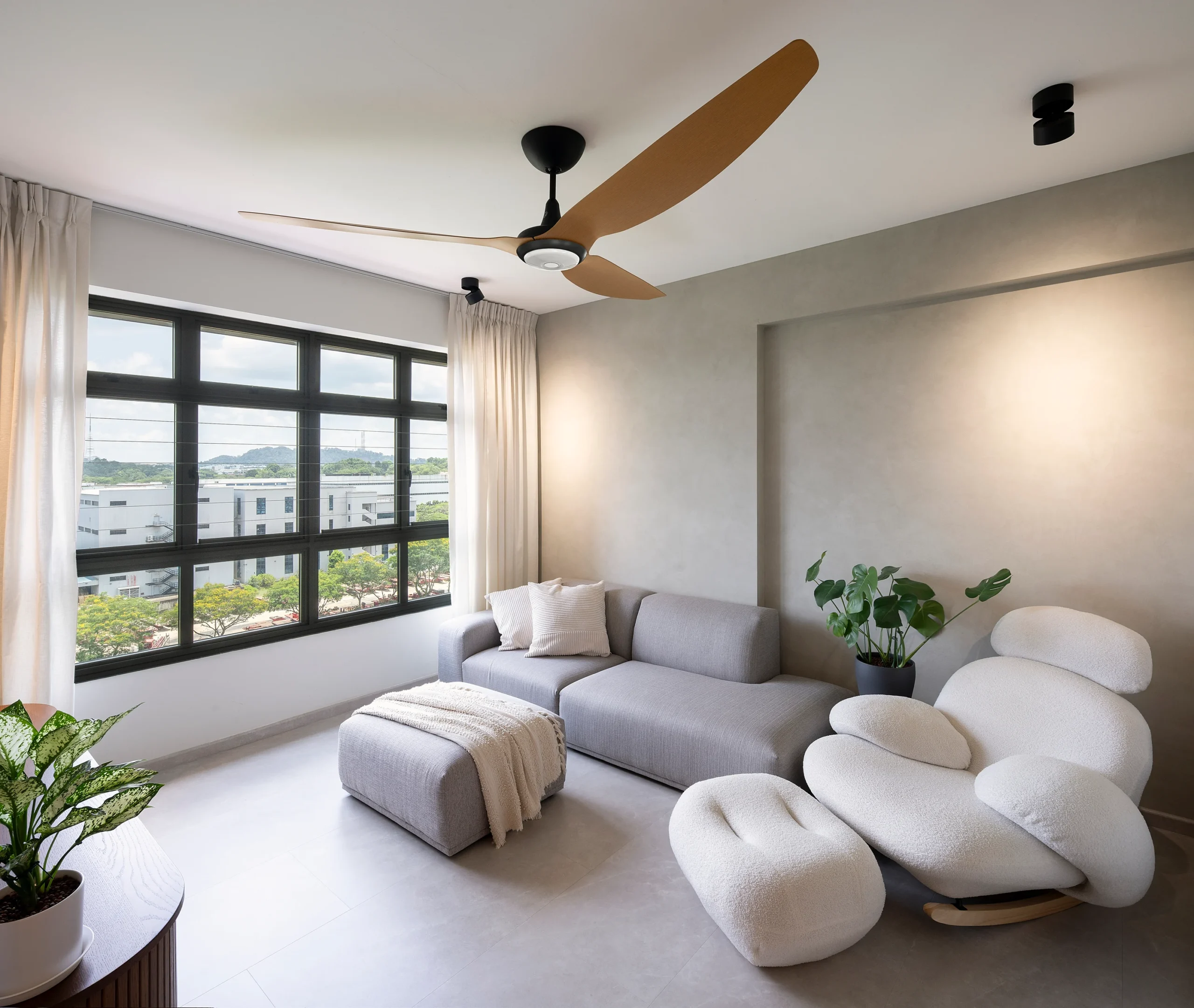
Even a good fan can underperform if it is installed poorly.
Placement for best airflow
Best practices:
- Place the fan as close to the centre of the room as possible
- Avoid placing it directly above tall furniture that blocks airflow
- Consider where you spend the most time (sofa, bed, desk)
In small rooms, small placement changes can make a big difference.
Safety and professional installation
Ceiling fans should be installed securely with the correct mounting.
A professional installer can help ensure:
- Proper electrical connection
- Stable mounting to reduce wobble and noise
- Correct positioning for airflow and clearance
This is especially important in older flats or where the ceiling structure varies. If you’re unsure which fan is best for your home, or want expert advice on placement and setup, you can contact us to get personalised guidance and professional installation support.
FAQs
Are low-profile ceiling fans good for low ceilings?
Yes. Low-profile fans are designed to sit closer to the ceiling, which improves clearance and makes them a practical choice for many Singapore apartments with lower ceiling height.
What size ceiling fan is best for a small bedroom in Singapore?
It depends on your room size and layout, but small bedrooms usually suit a smaller blade span. If the fan is too small, it may not circulate air well. If it is too large, it can feel overpowering in a tight space.
Do ceiling fans help reduce aircon usage?
They can. A ceiling fan improves air circulation, which can make the room feel cooler. Many households use a fan with aircon set at a higher temperature for comfort and efficiency.
Are low-profile fans less powerful than standard fans?
Not always. Performance depends on motor quality, blade design, and fan size. A well-designed low-profile fan can still move air effectively, especially in small to medium rooms.
How do I choose a quiet ceiling fan for sleeping?
Look for a fan designed for low-noise operation, with stable mounting and multiple speed settings. For sleep, you usually want low to medium speed with smooth, steady airflow.