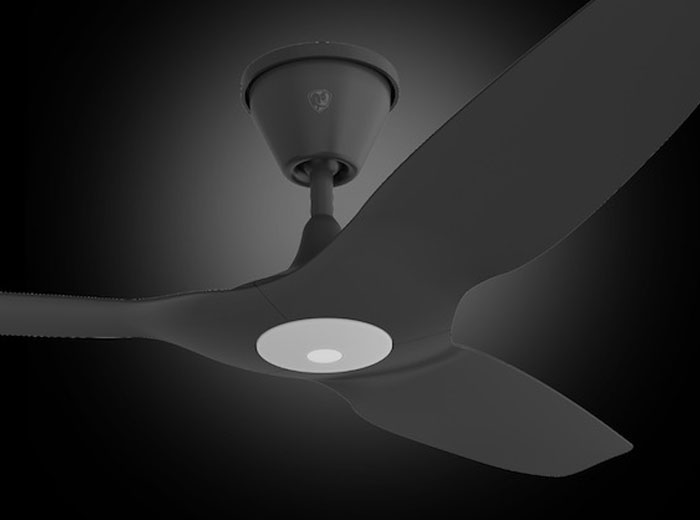

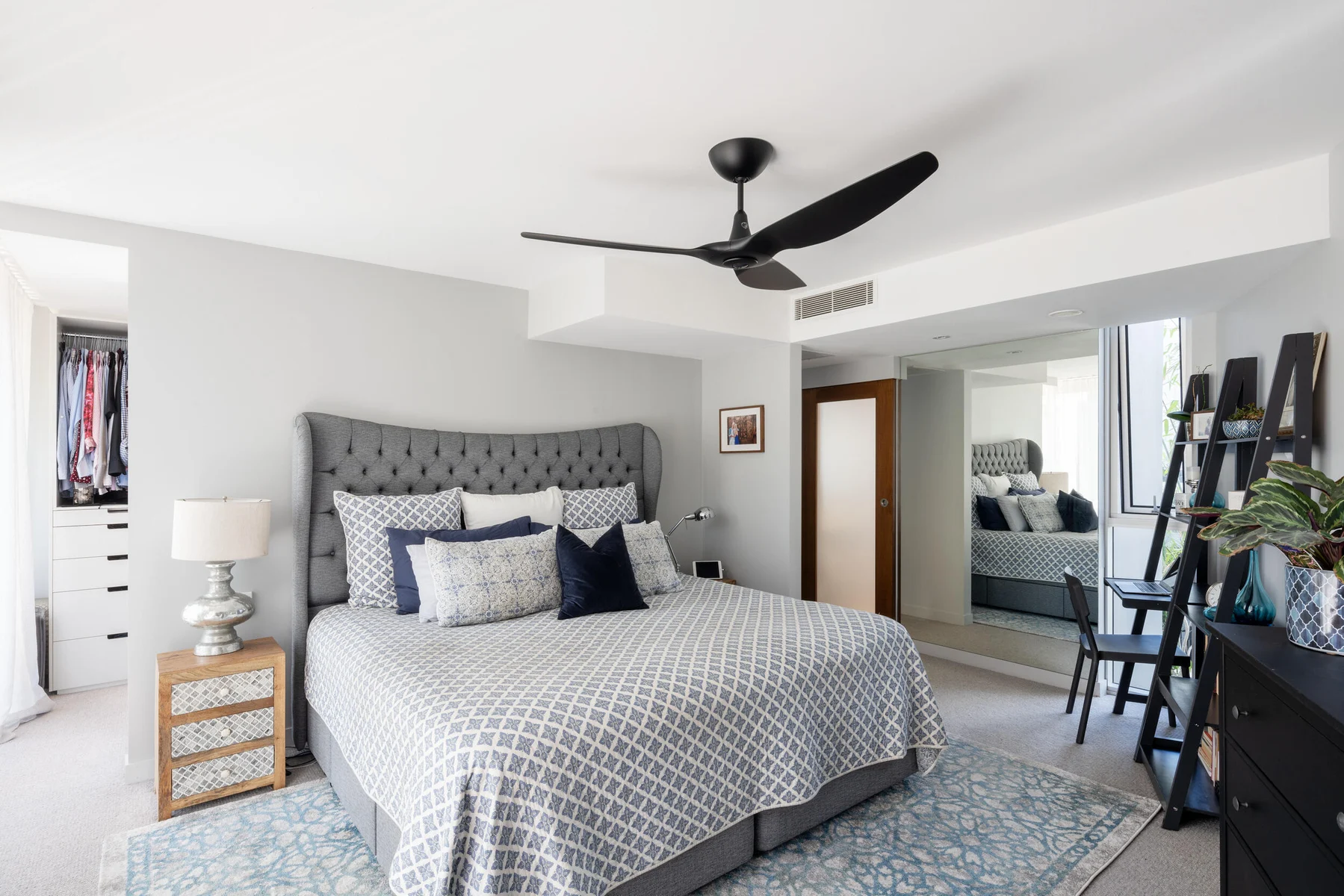
Ceiling fans are an essential feature in many Singapore homes. Not only do they provide instant comfort, but they also help reduce energy usage when used correctly. Understanding how to adjust your ceiling fan’s direction can make a significant difference in both comfort and electricity bills throughout the year. Whether you’re using them alongside air conditioning or relying on natural ventilation, knowing the right fan direction is key to creating a pleasant living space. For high-quality options, check out Big Ass Fans to find models suited to your home.
How Ceiling Fan Direction Works
Most ceiling fans come with a small switch on the motor housing that allows you to change the rotation direction. The blades can spin clockwise or counterclockwise, and the direction determines how air moves around the room.
- Counterclockwise rotation: Pushes air downwards, creating a cooling breeze that makes you feel cooler.
- Clockwise rotation: Pulls air upwards, gently circulating warm air along the ceiling and redistributing heat.
Choosing the correct direction for your ceiling fan affects comfort, energy usage, and even the efficiency of your air conditioning system. A fan spinning in the wrong direction can leave hot or cold spots in the room, reducing its effectiveness.
Best Fan Direction for Singapore’s Climate
Singapore’s tropical climate means it’s hot and humid for most of the year, with occasional cooler, rainy periods. Adjusting your fan accordingly can help maintain comfort and save energy.
Hot Weather (Most of the Year)
During hot months, set your fan to spin counterclockwise. This produces a cooling breeze, making your body feel cooler. The result is a comfortable indoor climate and reduced electricity usage, as you rely less on air conditioning.
How Correct Fan Direction Saves Energy
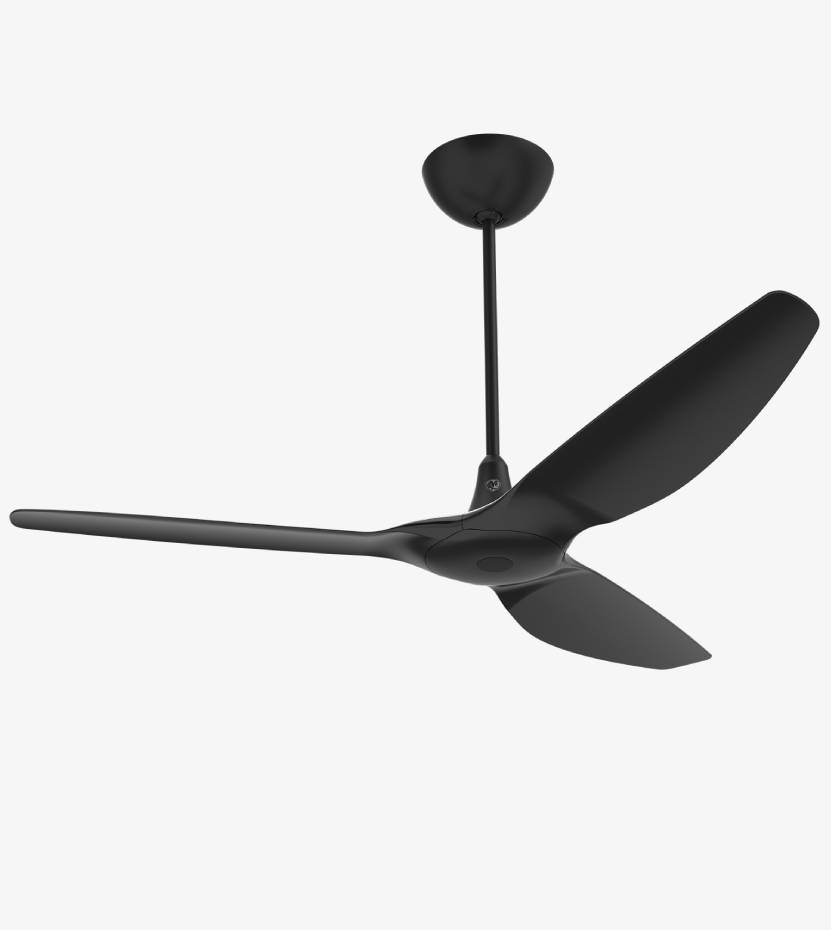
Using the right ceiling fan direction can reduce energy consumption and enhance comfort:
- Reduces air conditioning reliance: Fans make you feel cooler, allowing higher AC temperatures.
- Lowers electricity bills: Running fans costs far less than constant air conditioning.
- Improves air circulation: Proper air movement prevents hot or cold spots, creating a more consistent room temperature.
Even small adjustments to your fan direction can have noticeable benefits for both comfort and energy efficiency.
Tips for Getting the Most from Your Ceiling Fan
To ensure your ceiling fan is working effectively:
- Turn off fans when leaving the room: Fans cool people, not empty spaces.
- Clean fan blades regularly: Dust buildup can reduce airflow and efficiency.
- Combine with natural ventilation: Use fans alongside open windows or air conditioning for optimal energy savings.
- Choose energy-efficient models: Modern fans consume less energy while delivering better performance.
If you want expert advice or assistance selecting the right ceiling fan, don’t hesitate to contact us today.
Conclusion
Adjusting your ceiling fan direction according to the season can make your home more comfortable and energy‑efficient. By setting fans to counterclockwise in hot weather, you can enjoy consistent comfort while reducing electricity costs. Combine this with energy‑efficient models and proper maintenance to maximise benefits year‑round
FAQs
How do I change my ceiling fan’s direction in Singapore?
Using the Haiku remote control, press the Whoosh button three times, then press the Speed Up (+) button once. This reverses the fan’s rotation between clockwise and counterclockwise.
Can ceiling fans replace air conditioning for cooling?
Ceiling fans don’t lower the room temperature but make you feel cooler. Using them can reduce the need for air conditioning.
Is it safe to leave ceiling fans running all day?
Yes, it’s safe to leave your Haiku fan running. However, to save energy and reduce wear, it’s best to turn the fan off when the room is empty. Most Haiku models come with SenseME® Technology, which includes motion sensing. This allows you to keep the fan powered on, it will automatically turn itself off when no motion is detected in the room, helping you stay comfortable while conserving energy year‑round.
How much electricity do ceiling fans use compared to aircon?
Ceiling fans consume far less energy than air conditioning, making them a cost-effective way to stay comfortable.
What fan speed should I use for comfort and energy savings?
Use a higher speed for cooling during hot periods and a lower speed for gentle air circulation when it’s cooler.