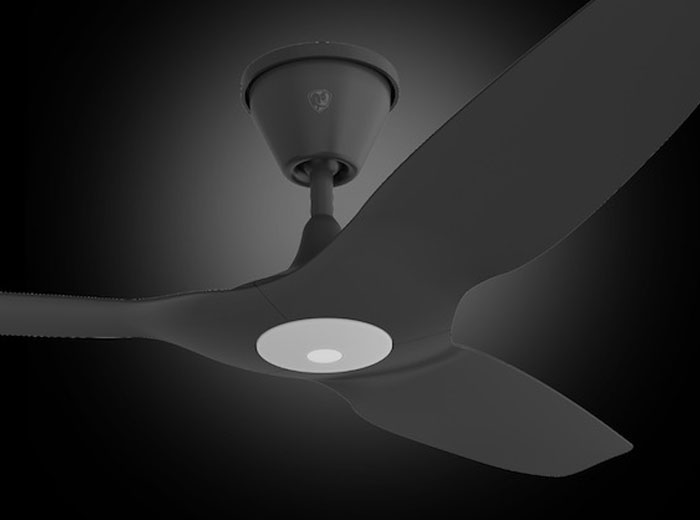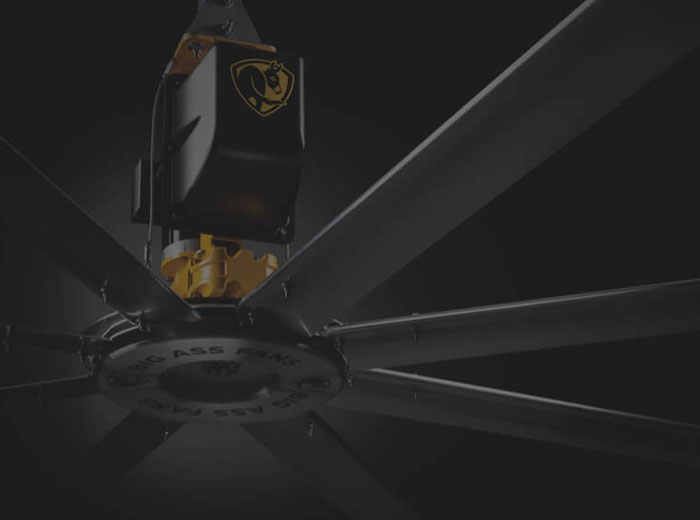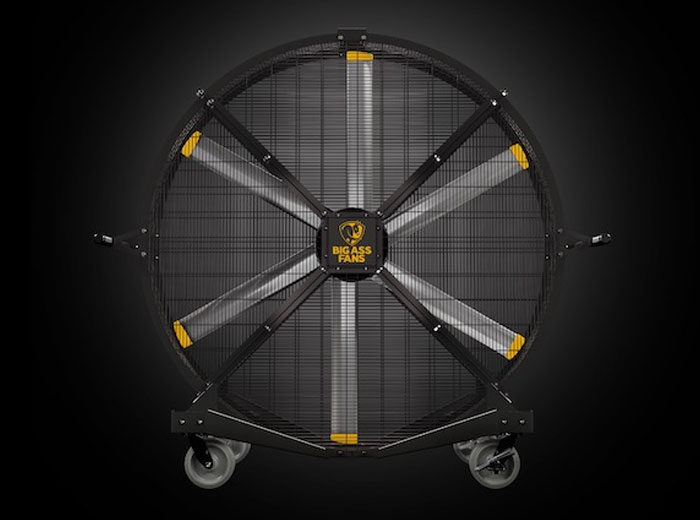

Better air movement has become a core part of sustainability planning for organisations across Singapore. As buildings aim for stronger ESG performance and Green Mark certification, airflow plays a larger role in both comfort and energy efficiency. Many companies now rely on our advanced airflow solutions, including fans in Singapore, to support these goals with measurable results.
At Big Ass Fans, we design and engineer systems that help customers reduce energy use, meet higher standards, and improve comfort. In this article, we explore how improved airflow supports environmental and operational objectives, how AMCA-certified performance provides trusted verification, and why HVLS technology offers one of the most effective ways to elevate long-term sustainability outcomes.
Why Air Movement Is Central to ESG Progress
Cutting Energy Use Without Compromising Comfort
Cooling remains one of the biggest energy expenses in Singapore. By improving air movement, businesses can reduce their dependence on air conditioning while keeping spaces comfortable. Our high-volume low-speed (HVLS) fans circulate large volumes of air, which helps establish a consistent cooling sensation known as perceived cooling.
AMCA-certified performance data plays an important role here. AMCA testing provides verified airflow output and efficiency ratings, so decision makers can select equipment that delivers reliable, measurable energy savings. These savings support the Environmental pillar of ESG, as reduced energy demand directly lowers carbon emissions and improves reporting transparency.
Improving Indoor Environmental Quality
Indoor Environmental Quality (IEQ) is a key component of both ESG and Green Mark scoring. Consistent airflow reduces temperature swings, eliminates stagnant air pockets, and supports healthier working conditions. AMCA standards for sound and airflow testing also help ensure that the equipment selected contributes positively to occupant comfort.
Improved IEQ reflects well on the Social aspect of ESG. Comfortable employees perform better, stay safer, and experience fewer heat-related issues, especially in high-activity environments such as warehouses, production floors, and commercial facilities. Our solutions are designed to address these challenges directly, providing stable, efficient airflow where it is needed most.
Supporting BCA Green Mark Requirements
Airflow Strategies That Strengthen Green Mark Performance
The BCA Green Mark scheme includes criteria related to mechanical ventilation, cooling efficiency, and occupant comfort. Better airflow can contribute to higher scores in categories such as:
- Energy performance
- Thermal comfort
- Ventilation effectiveness
- Indoor air quality
AMCA-compliant measurements are valuable when documenting system performance, as they provide third-party verification for airflow output and efficiency. This makes it easier for project teams to demonstrate compliance with Green Mark requirements and support their sustainability narratives.
How HVLS Technology Aligns With Green Mark Criteria
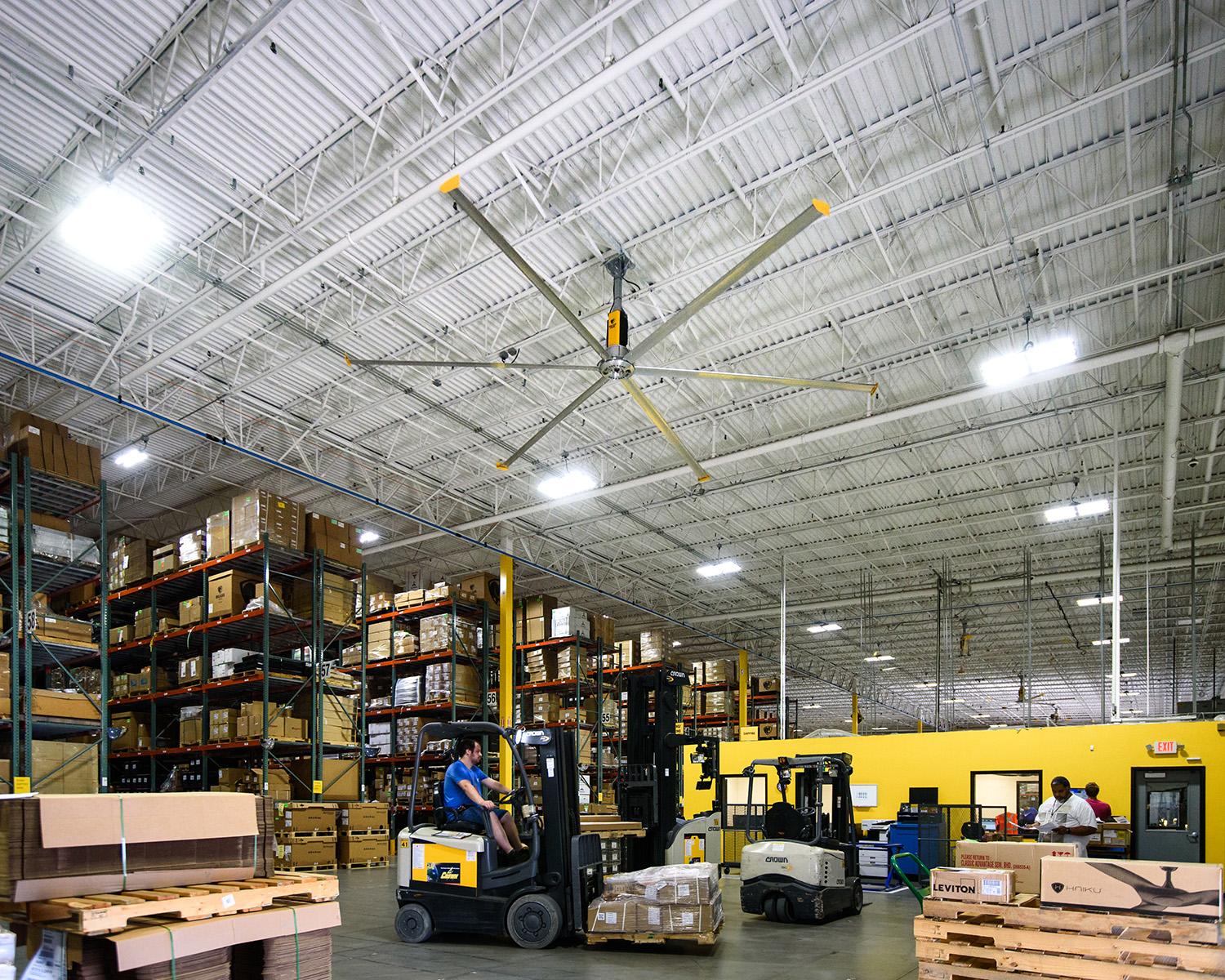
Our HVLS fans contribute to multiple areas of the Green Mark framework. By improving air circulation, they reduce the strain on HVAC systems and lower cooling energy usage. This helps buildings achieve better energy efficiency scores, which remain central to the Green Mark rating.
Key benefits include:
- Lower operational carbon emissions through reduced reliance on active cooling
- Improved thermal comfort validated by measurable airflow performance
- Reduced mechanical load on HVAC systems due to improved distribution of conditioned air
When our HVLS fans are AMCA certified, facility managers gain confidence that the stated airflow metrics are accurate, repeatable, and compliant with international standards. This makes planning, modelling, and reporting more robust and defensible.
The Sustainability Benefits of HVLS Fans
HVLS fan technology supports both day-to-day operations and long-term sustainability planning. Organisations adopting our solutions often experience improvements in multiple areas, such as:
- Lower carbon footprint from reduced cooling energy consumption
- Longer HVAC lifespan due to decreased mechanical strain
- Better heat dissipation in industrial, logistics, manufacturing, and commercial spaces
- Increased occupant comfort during peak temperature and humidity periods
- Verified performance reliability through AMCA certification
Applications Across Key Sectors
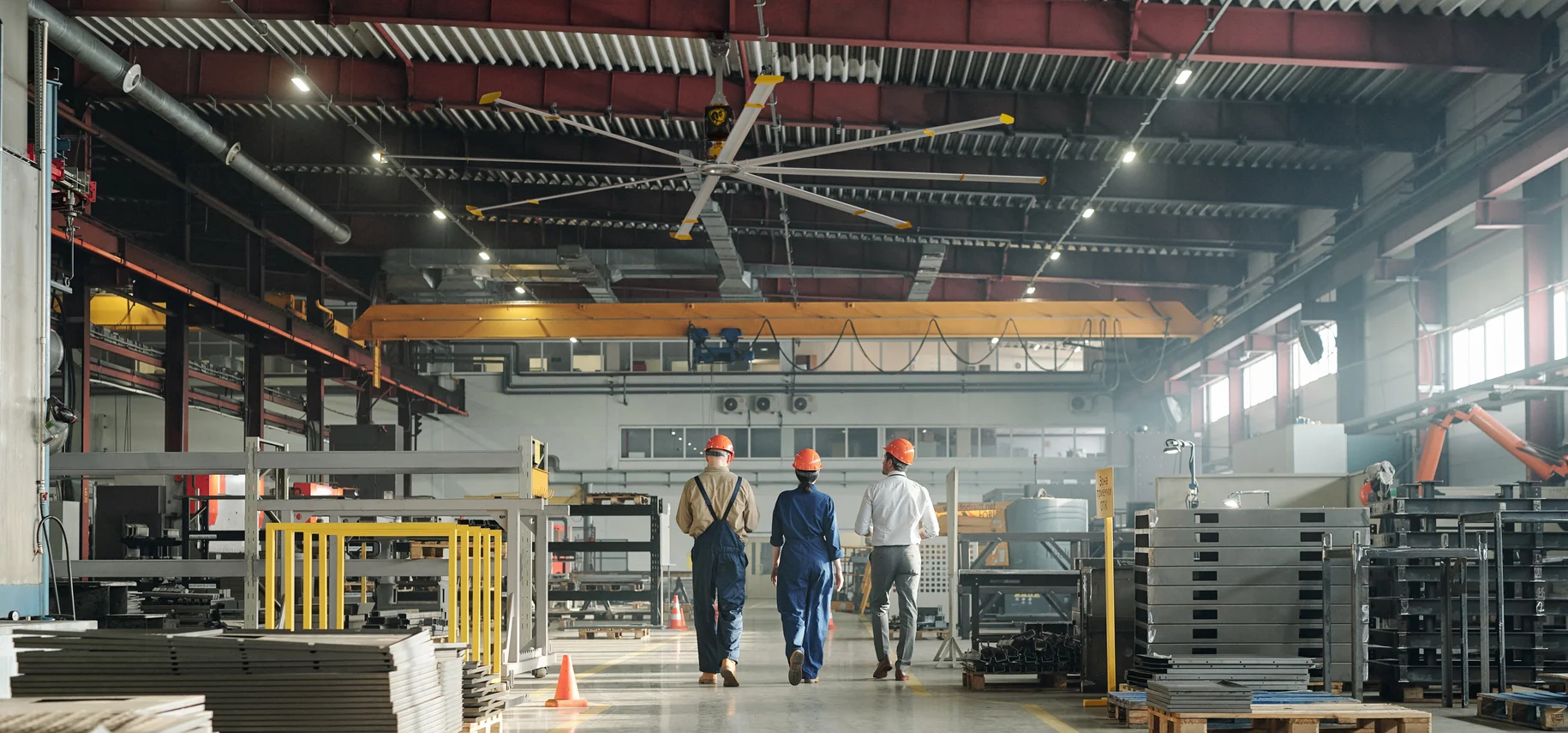
Our HVLS fans have become a standard solution in many environments because they offer consistent performance and dependable energy savings. We work with customers across sectors, including:
- Warehouses and distribution hubs
- Manufacturing facilities
- Heavy industrial environments
- Retail, commercial, and hospitality settings
Organisations that want to improve comfort and efficiency in these environments can explore our range of industrial fans that are designed to support both productivity and sustainability goals.
Real World Impact: Smarter Air Movement for Long-Term Gains

Businesses across Singapore are investing in smarter airflow strategies because they provide measurable improvements in sustainability, occupant comfort, and operational efficiency. With AMCA-certified performance data supporting airflow accuracy, facility teams can document results with confidence and incorporate them directly into ESG reporting and Green Mark assessments.
Our role is to help you match the right airflow solution to your space, whether your priority is energy savings, improved comfort, reduced downtime, or all three. By treating air movement as a strategic tool rather than an afterthought, you can achieve long-term gains in performance and sustainability.
If you are planning upgrades or new developments and would like tailored recommendations for your site, you can get in touch with our team for expert guidance on the most effective approach.
FAQs
1. What is AMCA, and why does it matter for sustainable airflow systems?
AMCA is the Air Movement and Control Association, which tests and certifies airflow performance. AMCA-certified fans provide verified efficiency, helping businesses meet sustainability and ESG goals with confidence.
2. How do HVLS fans help buildings achieve Green Mark certification?
Our HVLS fans improve thermal comfort, reduce energy usage, and support better ventilation performance, all of which contribute to stronger Green Mark scoring.
3. Can AMCA-certified fans reduce cooling energy use?
Yes. AMCA testing verifies airflow output and efficiency, allowing you to select fans that reliably lower cooling loads and reduce overall energy consumption.
4. Which industries benefit most from HVLS fans?
Industrial, logistics, manufacturing, retail, hospitality, and large commercial spaces all benefit from improved airflow, more stable temperatures, and lower operational energy use.
5. How does better airflow support ESG goals in Singapore?
Better airflow reduces carbon emissions through lower energy use, improves worker comfort and safety, and enhances indoor environmental quality, supporting both environmental and social elements of ESG frameworks.