
Indoor air quality is now a major priority for workplaces in Singapore, especially in commercial buildings, warehouses, and large office environments. Poor ventilation can lead to discomfort, fatigue, and reduced productivity among employees.
While air conditioning systems are commonly used, they are not always enough to ensure proper air circulation. This is where strategic fan layouts play an important role. By improving airflow distribution, large fans help maintain fresher, cleaner, and more comfortable indoor environments.
This article explains how fan placement and airflow design can significantly improve indoor air quality in workplaces.
What Is Indoor Air Quality in Commercial Spaces
Indoor air quality refers to how clean, fresh, and healthy the air is inside a building.
It includes factors such as:
- Air freshness and oxygen levels
- Temperature and humidity balance
- Presence of dust, pollutants, and airborne particles
Why It Matters in Workplaces
Good indoor air quality is essential for employee well-being and business performance.
- Reduces fatigue and headaches
- Improves focus and productivity
- Supports better overall health
- Enhances workplace comfort
Poor air quality can lead to discomfort and decreased efficiency.
How Airflow Affects Indoor Air Quality
Stagnant Air Problems
When air does not circulate properly, problems can occur.
- Heat becomes trapped in certain areas
- Air feels heavy and uncomfortable
- Pollutants accumulate over time
Importance of Air Circulation
Proper airflow helps maintain a healthy environment.
- Distributes fresh air evenly
- Reduces indoor heat buildup
- Prevents stagnant air pockets
- Improves overall comfort levels
Role of Commercial Fans in Air Quality Improvement
Enhancing Air Movement
Commercial fans help keep air moving continuously.
- Prevents air stagnation
- Improves circulation in large spaces
- Creates consistent airflow patterns
Supporting HVAC Systems
Fans work alongside air conditioning systems.
- Reduces workload on HVAC units
- Improves cooling efficiency
- Helps maintain stable temperatures
Improving Comfort Without Overcooling
Fans enhance comfort without excessive energy use.
- Creates a natural breeze effect
- Improves perceived cooling
- Reduces the need for very low AC settings
What Is Strategic Fan Layout Design
Strategic fan layout refers to the planned positioning of fans within a space to optimise airflow efficiency.
- Based on building size and layout
- Designed to improve air distribution
- Focuses on eliminating dead air zones
Why Layout Matters
Poor placement reduces effectiveness.
- Ensures even airflow across the entire space
- Prevents hot and cold spots
- Improves energy efficiency
Best Practices for Fan Layout in Workplaces

High Ceiling Industrial Spaces
Large spaces require powerful airflow solutions.
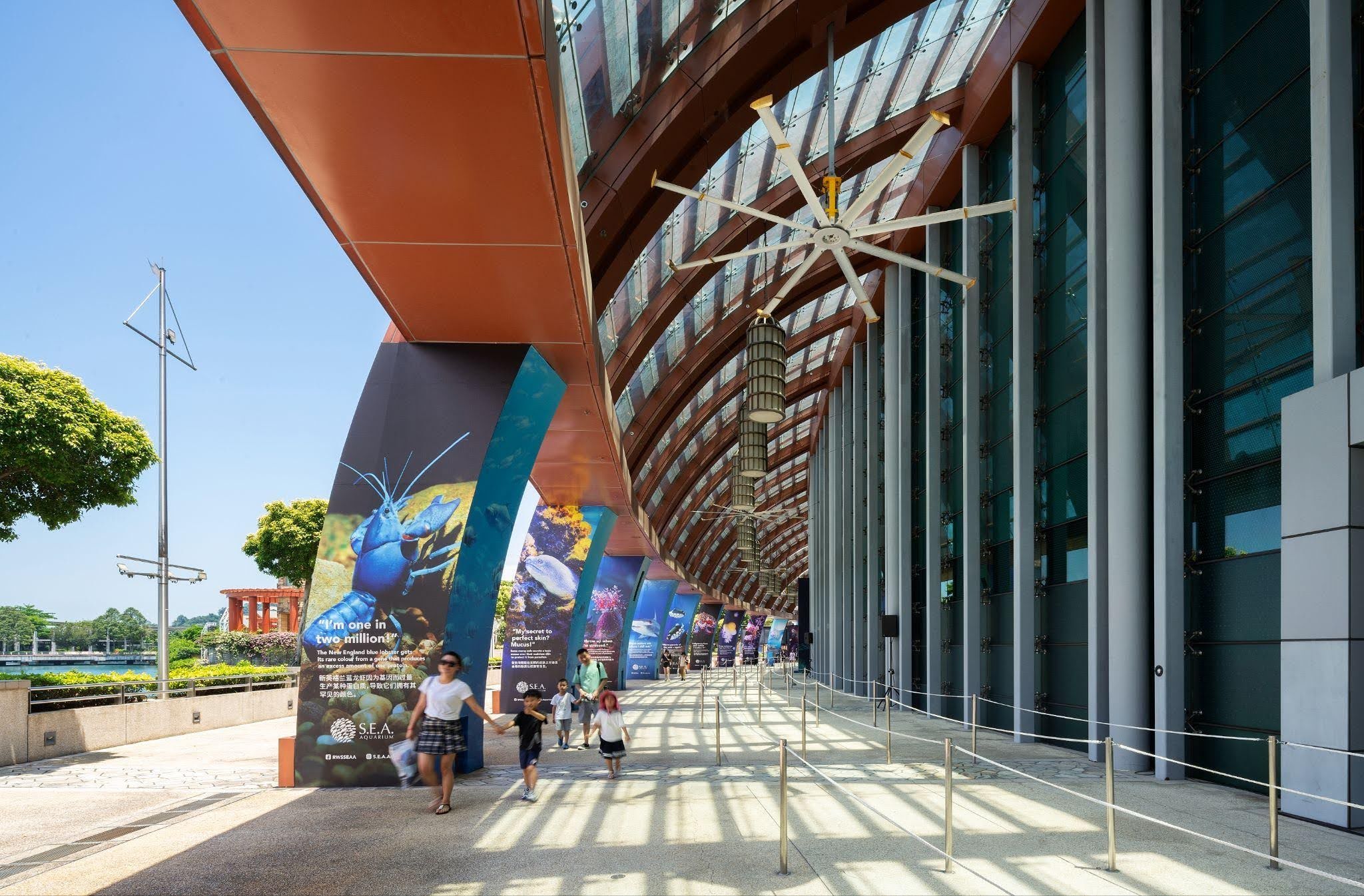
- Install high-volume ceiling fans
- Space fans are evenly distributed across the area
- Ensure overlapping airflow coverage
Open Office Layouts
Comfort is important in office environments.
- Position fans above workstation zones
- Avoid direct strong airflow on employees
- Balance comfort with circulation
Warehouses and Factories
These environments need strong and consistent airflow.
- Focus on heat reduction in work zones
- Improve air movement in storage areas
- Support worker comfort and safety
Retail and Commercial Spaces
Customer comfort is key in retail environments.
- Maintain pleasant indoor temperatures
- Avoid stagnant air in corners
- Improve overall shopping experience
Benefits of Strategic Fan Placement
Improved Air Quality
Proper airflow reduces indoor air problems.
- Reduces stale air accumulation
- Improves oxygen distribution
- Enhances ventilation efficiency
Energy Savings
Fans reduce reliance on air conditioning.
- Lower electricity consumption
- Reduced HVAC load
- More sustainable building operations
Better Employee Productivity
Comfortable environments improve performance.
- Reduces heat-related fatigue
- Improves concentration
- Enhances workplace satisfaction
Consistent Temperature Control
Even airflow improves comfort levels.
- Eliminates hot and cold spots
- Maintains a stable indoor climate
- Improves overall comfort
Common Mistakes in Fan Installation
Many workplaces do not achieve optimal results due to:
- Installing too few fans for large areas
- Incorrect positioning of fans
- Ignoring ceiling height and airflow patterns
- Not integrating with HVAC systems
- Lack of maintenance planning
How to Design an Effective Airflow Strategy
Assess Building Layout
Understanding the space is essential.
- Identify airflow blockages
- Analyse usage zones
- Map out heat concentration areas
Combine with HVAC Systems
Fans should complement the air conditioning.
- Improve overall system efficiency
- Reduce cooling costs
- Ensure balanced airflow
Use Professional Planning
Expert design ensures better results.
- Engineering-based fan positioning
- Custom solutions for different industries
- Optimised airflow performance
Why Large Commercial Fans Work Well in Singapore
Singapore’s climate makes airflow management important.
- High humidity requires strong ventilation
- Large indoor spaces need consistent air movement
- Energy efficiency is a priority for businesses
- Ideal for industrial and commercial use
Role of Air Movement in Workplace Health
Air circulation directly impacts well-being.
- Reduces airborne pollutants
- Improves oxygen flow
- Enhances respiratory comfort
- Supports healthier work environments
Conclusion
Strategic fan layouts play a vital role in improving indoor air quality in commercial and workplace environments. When properly designed, they enhance airflow, reduce heat buildup, and support HVAC efficiency.
For businesses in Singapore, get in touch with us and start investing in well-planned commercial fan systems for a practical way to improve comfort, reduce energy costs, and create healthier indoor environments for employees and customers.
FAQs
1. How do fans improve indoor air quality in workplaces?
Fans improve air circulation, reduce stagnant air, and help distribute fresh air evenly throughout indoor spaces.
2. What is the best fan placement for large commercial spaces?
Fans should be evenly spaced to ensure overlapping airflow coverage and eliminate dead air zones.
3. Do ceiling fans help reduce air conditioning costs?
Yes, they improve air circulation, which reduces the load on air conditioning systems and lowers energy usage.
4. What affects indoor air quality in offices and factories?
Factors include ventilation, airflow design, humidity levels, pollutants, and HVAC efficiency.
5. Are industrial fans better than air conditioning for ventilation?
They are not replacements but work best together. Fans improve air movement while AC controls temperature.