
In Singapore’s hot and humid climate, warehouse teams can feel the effects of heat stress quickly, especially during peak afternoon hours and in spaces with poor airflow. When staff feel overheated, it can impact focus, safety, productivity, and morale.
This guide shares practical airflow strategies that help reduce heat fatigue in warehouse staff, with a focus on what actually works on the ground: air movement, ventilation, fan placement, and simple operational changes. For reliable solutions, Big Ass Fans provide effective airflow and cooling options designed for industrial spaces.
What Actually Reduces Heat Fatigue
If you want the fastest path to improvement, focus on airflow coverage and removing trapped heat.
The most effective airflow priorities
- Increase air movement at worker level, especially in high-activity zones
- Remove trapped hot air near the ceiling (heat stratification)
- Reduce heat build-up around loading bays and heat-generating equipment
- Combine fans with ventilation and smart zoning
- Monitor heat risk and adjust work practices during peak heat periods
Fans help most when they are part of a plan, not added randomly.
What Is Heat Fatigue (And Why Warehouses Are High Risk)?
Heat fatigue is the early stage where the body is working harder to cool itself. People may still be functioning, but performance and safety can drop.
Heat fatigue vs heat exhaustion (simple explanation)
Heat fatigue often shows up as:
- Feeling unusually tired or weak
- Reduced concentration and slower reaction time
- Headache or light dizziness
- Heavy sweating and discomfort
- Irritability or low morale
Heat exhaustion is more serious and may include:
- Nausea or vomiting
- Fainting
- Confusion
- Cold, clammy skin despite heat exposure
If symptoms are severe or worsening, treat it as urgent and follow workplace safety protocols.
Common warehouse heat risk factors
Warehouses are high risk because they often have:
- High ceilings that trap hot air above work areas
- Poor cross ventilation, especially in enclosed zones
- Loading bays that bring in hot air and vehicle heat
- Heat from forklifts, conveyors, motors, and lighting
- PPE requirements that reduce cooling
- Physical work that increases body heat quickly
Even if the air temperature is not extreme, humidity and still air can make it feel much worse.
Airflow Basics: Why Moving Air Helps People Feel Cooler
Airflow does not “lower” temperature the way air conditioning does, but it can make people feel cooler by improving heat loss from the body.
Air movement and perceived temperature
Air movement helps by:
- Supporting sweat evaporation, which is the body’s natural cooling system
- Reducing the “hot blanket” feeling of still air
- Improving comfort so staff can maintain steady output
In Singapore humidity, evaporation is less efficient, but airflow still helps. The key is consistent coverage, not just a strong breeze in one corner.
The goal is not “wind”, it is consistent coverage
A common issue in warehouses is uneven airflow:
- One area feels fine, another feels unbearable
- Staff cluster near fans, leaving other zones under-supported
- Hot spots form near loading bays, mezzanines, and packing lines
Your goal is to reduce dead zones and make conditions more consistent across work areas.
Airflow Strategies That Work in Real Warehouses
Below are practical strategies that are commonly used in industrial spaces to reduce heat discomfort and support safer working conditions.
1) Use HVLS fans to destratify and cover large areas
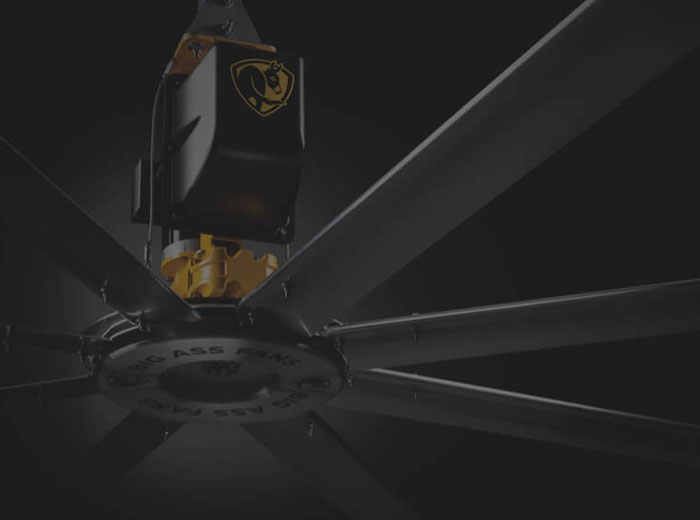
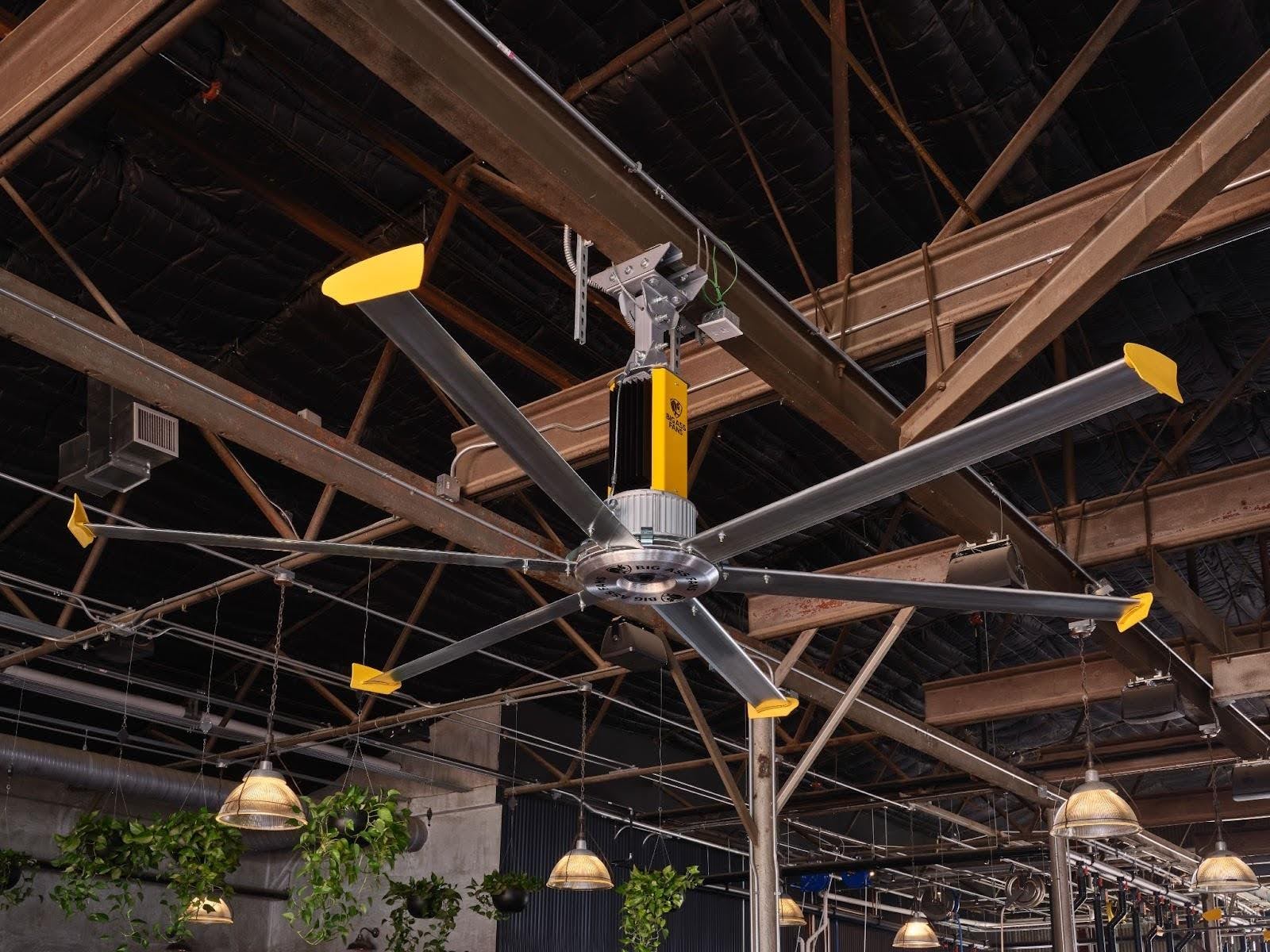
HVLS (High Volume, Low Speed) fans are designed for large spaces. Instead of blasting air in one direction, they move a high volume of air gently across a wide area.
They are effective for:
- Destratifying hot air (mixing air so heat does not sit at the ceiling)
- Improving comfort across wide floor areas
- Supporting consistent airflow in pick and pack zones, staging areas, and main aisles
Where they tend to work well:
- Open floor zones with steady activity
- Areas where staff spend long periods standing or walking
- Central zones where airflow can spread evenly
For warehouses looking for reliable industrial airflow solutions, HVLS fans provide wide coverage, consistent airflow, and energy-efficient operation.
2) Add targeted airflow in high-heat zones
Some zones need extra support because they generate heat or have poor natural airflow.
Common high-heat zones:
- Loading bays and dispatch areas
- Conveyor lines and packing stations
- Mezzanines and upper levels
- Areas near machinery or compressors
In these zones, consider:
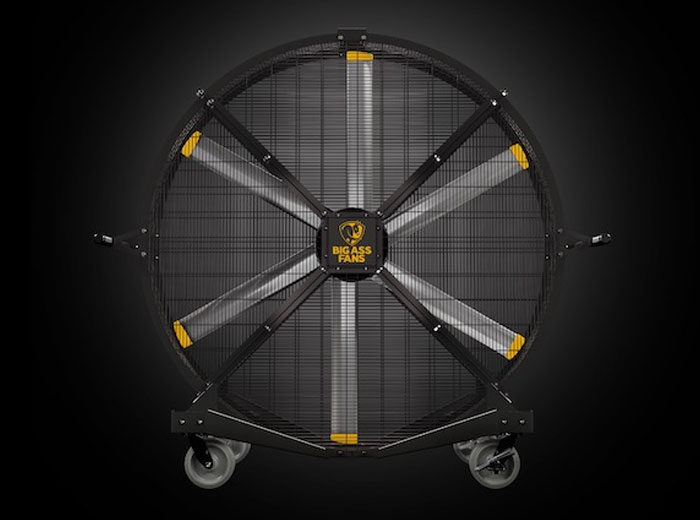
- Directional fans to push air along a work line
- Localised airflow solutions for fixed workstations
- Adjusting fan angles to reduce dead zones
The goal is to support the people who are stationary, not just the open space.
3) Improve ventilation to remove hot air
Air movement helps, but ventilation removes heat.
Practical ventilation improvements can include:
- Exhaust fans to pull hot air out
- Roof vents or ridge vents to release trapped heat
- Louvers or intake points for make-up air
- Keeping roller doors and vents functional and unobstructed
A simple principle:
- If hot air cannot leave, you are just circulating heat.
If your warehouse has persistent heat build-up, ventilation assessment is often worth it.
4) Create airflow paths with layout and zoning
Warehouse layout can either help airflow or block it.
Ways to support airflow:
- Keep main airflow lanes clear of temporary storage
- Avoid placing tall racking in ways that create sealed “canyons”
- Leave space around high-activity zones so air can circulate
- Separate heat-generating equipment zones from staff-heavy zones where possible
Even small changes, like moving a staging area away from a dead zone, can reduce heat complaints.
5) Combine airflow with dehumidification or cooling (when needed)
In some cases, fans alone are not enough, especially when:
- Humidity is consistently high
- Staff are doing high-exertion work for long periods
- The building holds heat due to structure or equipment load
Hybrid approaches may include:
- Fans plus dehumidification in specific zones
- Fans plus spot cooling for recovery areas
- Fans plus improved insulation or roof heat reduction measures
The most practical approach is often zoning, not cooling the entire warehouse.
Fan Placement and Setup Tips (Common Mistakes to Avoid)
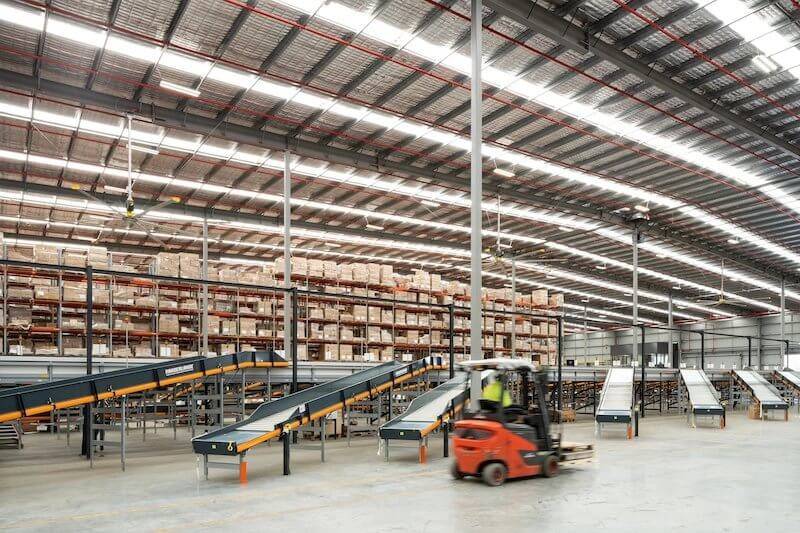
Even good equipment can underperform if it is poorly placed.
Placement errors that reduce performance
Common mistakes include:
- Installing fans where racking blocks airflow
- Poor spacing that creates overlap in some areas and dead zones in others
- Placing fans too high or too low for the space and purpose
- Aiming airflow into walls or corners instead of across work zones
- Ignoring loading bay zones where heat enters and builds up
A simple check:
- Walk the floor during peak heat and identify where staff slow down, sweat heavily, or avoid standing. Those are your priority zones.
Maintenance basics that keep airflow consistent
Airflow performance drops when fans are not maintained.
Basic maintenance habits:
- Clean blades and grills regularly (dust reduces efficiency)
- Check controls and speed settings
- Confirm fans are operating during the hottest periods, not only at shift start
- Schedule checks during low-activity hours to avoid disruption
Operational Heat Management (Airflow Plus People Practices)
Airflow is powerful, but it works best when paired with practical heat management.
Simple policies that reduce heat risk
Consider:
- Easy hydration access (not far from work zones)
- Short, regular breaks during peak heat periods
- Shaded or cooler recovery zones for staff to reset
- Rotating high-exertion tasks to reduce sustained heat load
- Encouraging staff to report early symptoms without fear
Training supervisors to spot early signs
Supervisors should know what to watch for:
- Unusual fatigue or slow movement
- Confusion, irritability, or poor coordination
- Complaints of headache or dizziness
- Staff avoiding certain zones due to discomfort
Early action prevents incidents. It also supports productivity because staff recover faster.
How to Choose the Right Airflow Solution for Your Warehouse
Before you invest, clarify what you need to fix.
Questions to assess your space
- Where are the hottest zones during the day?
- How high are the ceilings, and is heat trapped above?
- Where do staff spend the most time stationary?
- Are loading bays bringing in heat and humidity?
- Are there ventilation points that are blocked or underused?
- Do you need whole-area coverage, targeted airflow, or both?
When to get an airflow assessment
Consider an assessment if:
- Heat complaints are frequent despite existing fans
- There are clear hot spots and dead zones
- The layout is complex (racking, mezzanines, multiple zones)
- You have had safety incidents or near misses linked to heat
A proper plan can prevent wasted spend on fans that do not solve the real problem. To get expert advice tailored to your warehouse layout and cooling needs, contact us for a professional airflow assessment.
FAQs
What are the signs of heat fatigue at work?
Common signs include unusual tiredness, headaches, dizziness, heavy sweating, and reduced concentration. If symptoms worsen or include confusion or fainting, treat it as urgent.
Do fans help in high humidity like Singapore?
Yes, airflow can still improve comfort by helping sweat evaporate and reducing the feeling of still, heavy air. Fans work best when they provide consistent coverage and are paired with ventilation.
What is the best fan for a warehouse in Singapore?
It depends on ceiling height, layout, and work zones. Large-diameter HVLS fans are often used for wide coverage, while targeted fans can support high-heat zones like loading bays and packing lines.
How can I improve airflow in a warehouse without aircon?
Start by improving air movement and ventilation: reduce dead zones, use fans to support worker-level airflow, and add exhaust or roof ventilation to remove trapped hot air.
How hot is too hot for warehouse work in Singapore?
There is no single temperature that fits every situation because humidity, workload, and PPE matter. If staff show early heat fatigue signs or productivity and safety drop during peak heat, it is a signal to improve airflow and heat management practices.