
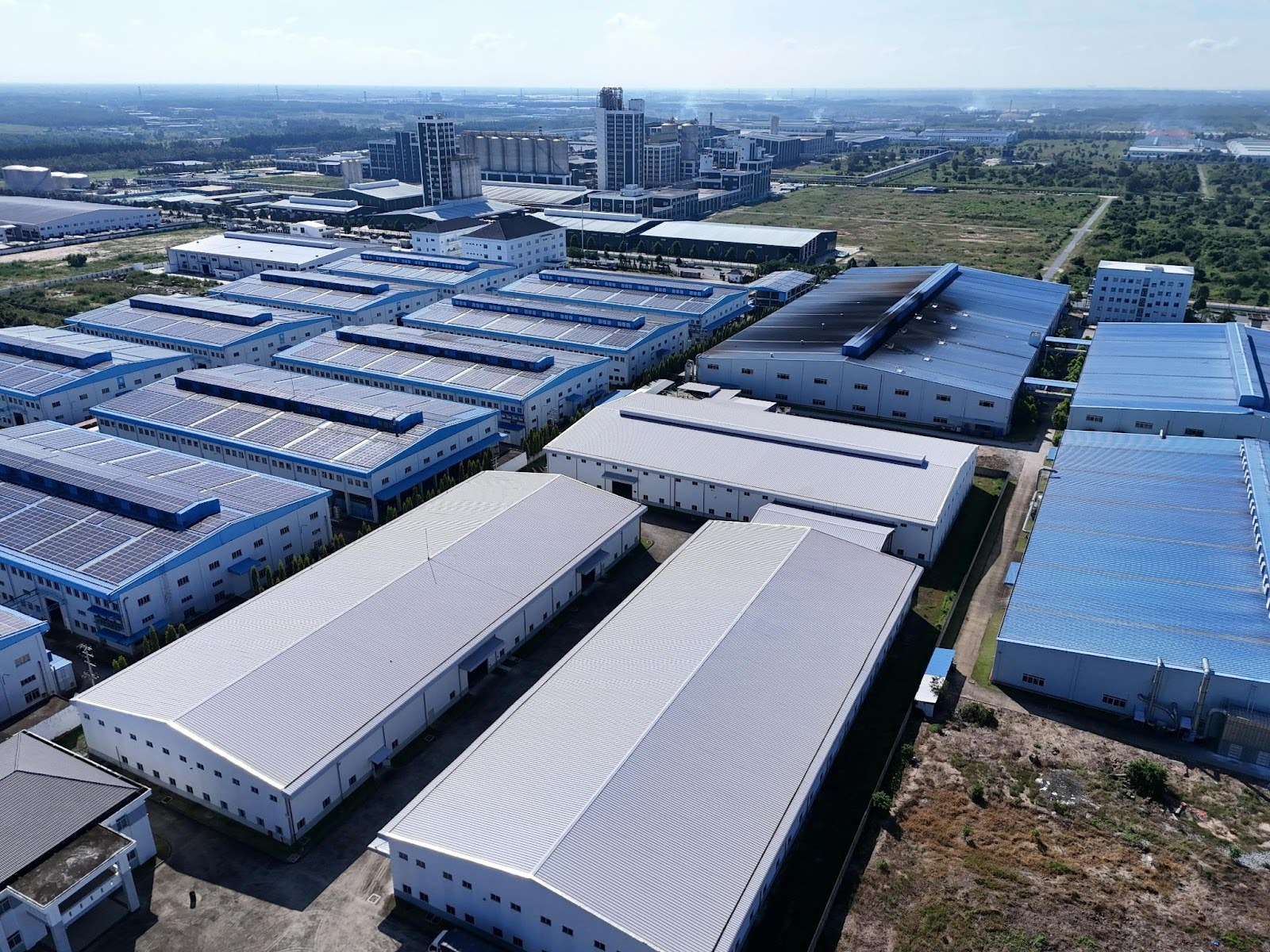
Warehouses in Singapore often face a familiar challenge: heat, humidity, and long operating hours. Stagnant air does not just feel uncomfortable. It can affect productivity, safety, and the efficiency of existing ventilation and cooling systems.
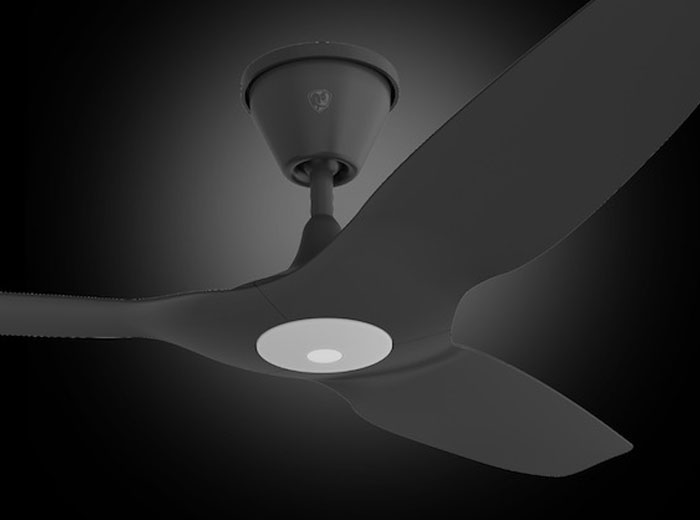
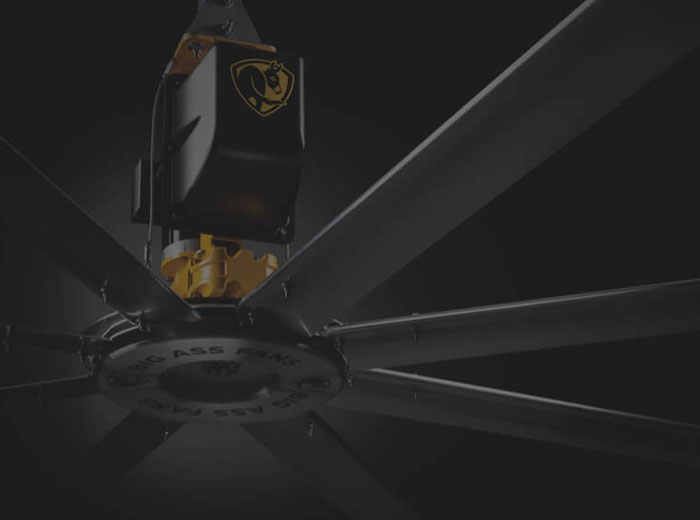
That is why many facility managers turn to HVLS fans (High Volume, Low Speed fans). Designed to move a large volume of air gently and consistently across wide spaces, HVLS fans are a practical solution for high-ceiling environments like warehouses, logistics hubs, and distribution centres.
At BAFCO, we provide industrial ceiling fans and HVLS solutions in Singapore, helping warehouses and facilities improve airflow, comfort, and operational efficiency.
This guide explains what HVLS fans do, where they work best, and the key considerations for installing them in Singapore.
What Is an HVLS Fan and Why Warehouses Use Them
HVLS stands for High Volume, Low Speed. Unlike smaller high-speed fans, which deliver concentrated airflow to one spot, HVLS fans move air across large areas at a controlled, gentle speed.
In warehouse settings, this is important because:
- People and work zones are spread across a large footprint
- Heat naturally rises, accumulating near the roof
- Consistent airflow is needed throughout the facility
The goal is not just to create wind chill. It is to improve overall air circulation, making the entire space more comfortable and less stuffy.
Common Warehouse Problems HVLS Fans Solve
Heat and Humidity Build-Up
Singapore’s warm, humid climate makes poorly ventilated spaces uncomfortable. HVLS fans keep air moving across the floor level where teams operate, reducing discomfort and fatigue.
Hot Spots and Uneven Comfort
Some warehouse areas, like loading bays or machinery zones, often feel hotter than others. HVLS fans help even out temperature differences by circulating air more effectively.
High Ceilings Trapping Heat
Warm air rises, accumulating under high ceilings. HVLS fans promote air mixing, reducing temperature stratification. Hot air does not stay trapped above work areas.
Stagnant Air and Ventilation Support
While HVLS fans do not replace ventilation systems, they enhance overall circulation. This prevents stagnant zones and supports existing HVAC systems.
Where HVLS Fans Work Best in a Warehouse
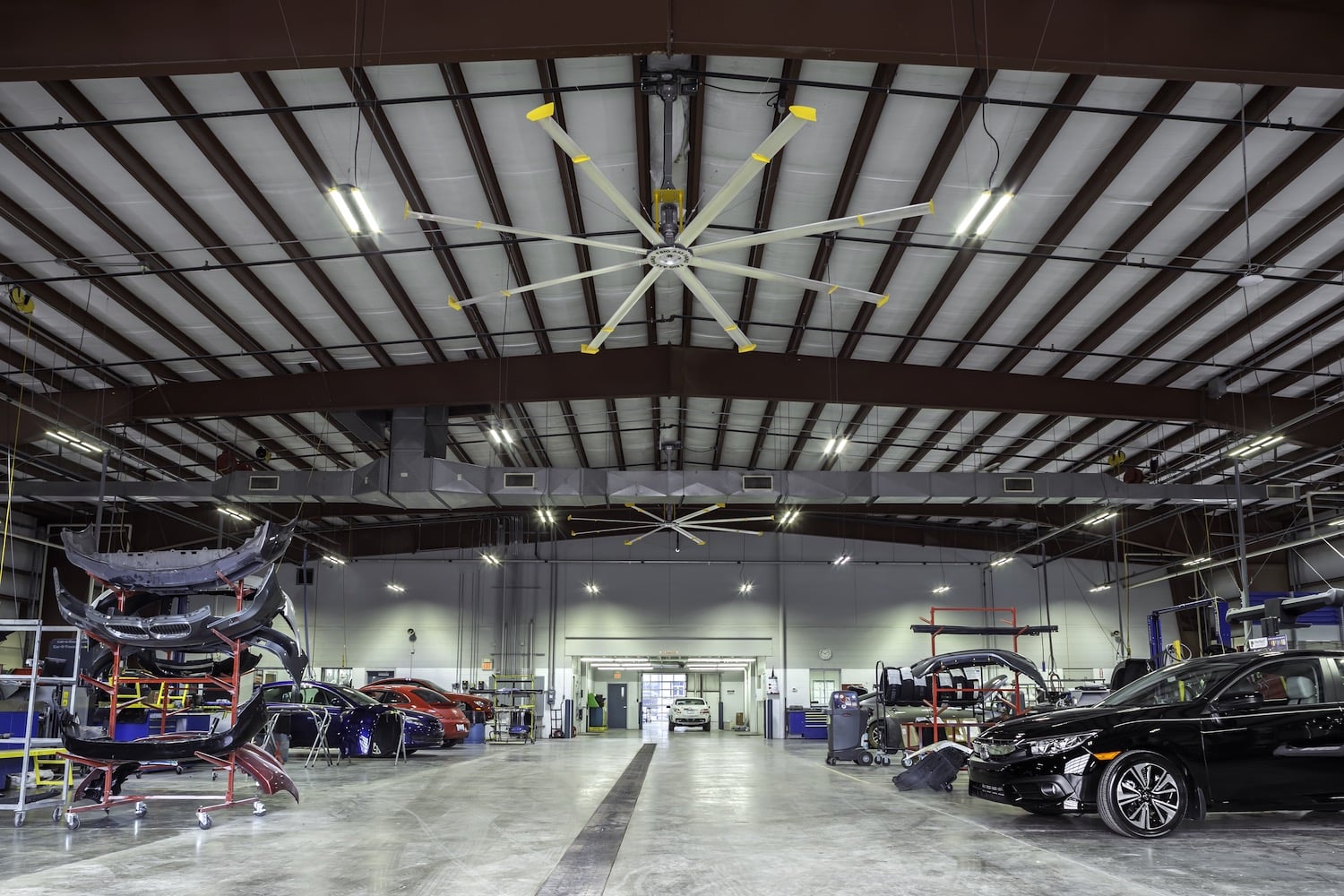
HVLS fans are ideal for:
- Warehouses and distribution centres
- Logistics hubs and fulfilment centres
- Manufacturing floors, depending on the layout
- Loading and staging areas
- Zones with consistent foot traffic and workstations
They are most effective when you plan for:
- Fan placement relative to workflow
- Ceiling height and clearance requirements
- Obstructions like racking, cranes, sprinklers, and lighting
- Airflow goals per zone, such as packing, storage, or loading
Key Considerations Before Installing HVLS Fans in Singapore
Before selecting a fan model or layout, conduct a thorough site assessment. Focus on:
Ceiling Height and Structure
HVLS fans require sufficient clearance and mounting conditions. Ensure your ceiling and support structure can safely accommodate the fan.
Obstructions and Airflow Blockers
Racking systems, beams, lighting, and sprinklers affect airflow. Proper planning ensures air reaches the zones where it is needed most.
Zone Priorities
Not all areas need the same airflow. Identify:
- Where people spend the most time
- Heat-intensive areas, such as machinery or loading bays
- Zones with safety or comfort concerns
Installation and Support in Singapore
Speed and reliability matter for industrial facilities. Choose:
- Locally available stock
- Certified installers
- Access to local servicing and maintenance
HVLS Fans vs Smaller Industrial Fans
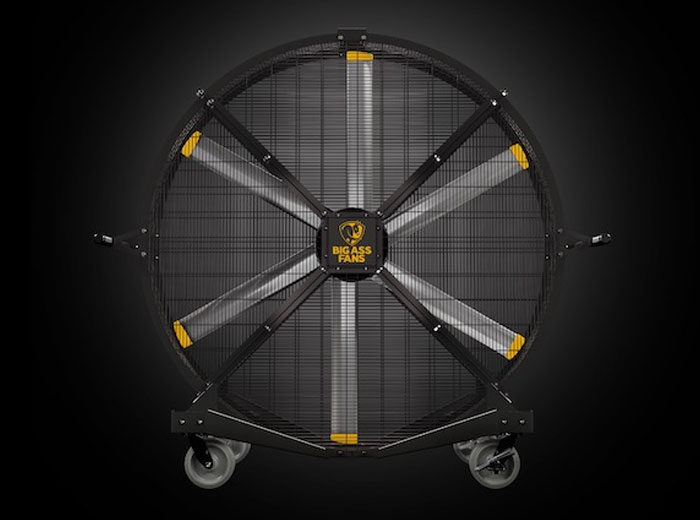
Smaller industrial fans are useful for targeted airflow, such as spot cooling. HVLS fans focus on broad coverage and consistent circulation.
Think of it this way:
- Smaller fans: Targeted airflow for a specific area
- HVLS fans: Wide coverage across large spaces
Many facilities use a combination of both, depending on layout and operational requirements.
Next Step: Site Survey and Airflow Plan
If you are considering HVLS fans for your warehouse in Singapore, start with a site survey. A proper assessment prevents common mistakes such as:
- Installing fans where airflow is blocked
- Under-serving critical work zones
- Choosing an unsuitable fan for the ceiling height or structure
With a detailed plan, you can match fan layout to your facility’s workflow and comfort objectives.
For professional advice and installation, contact our Singapore team today.
FAQs
1. Are HVLS fans suitable for warehouses in Singapore?
Yes. HVLS fans improve airflow across large, high-ceiling spaces, making warehouses more comfortable and productive.
2. Do HVLS fans replace air-conditioning?
No. HVLS fans enhance comfort and circulation but do not replace air-conditioning. They can support more efficient cooling strategies when used alongside HVAC systems.
3. What ceiling height is needed for HVLS fans?
It depends on the fan model and site conditions. Confirm ceiling height, clearance, and structural support during a site survey.
4. Will HVLS fans work with warehouse racking systems?
Yes, but racking and other obstructions affect airflow. Fan placement should be planned so air reaches key work zones.
5. What is the best way to choose the right HVLS fan layout?
Start with a site survey and airflow plan that considers ceiling height, facility zones, obstructions, and where staff spend most of their time.