
When designing or constructing a new facility, whether it is a warehouse, gym, factory, or commercial space, airflow is often overlooked in favour of more visible elements like layout, lighting, or aesthetics. In Singapore’s humid climate, integrating a thoughtful airflow strategy from the outset can significantly improve comfort, energy efficiency, and long-term operational costs. Proper airflow planning is not just a luxury; it is an essential component of sustainable and functional facility design.
Why Airflow Design Matters from Day One
Comfort for Occupants
The primary goal of any facility is to create a comfortable environment for its users. Poor ventilation can result in hot spots, stuffy air, and uneven temperatures, which can make employees less productive and customers less satisfied. By considering airflow early, you ensure that every area of your facility remains pleasant throughout the year. This applies not only to offices and gyms but also to large industrial spaces where workers spend long hours performing physically demanding tasks.
Energy Efficiency and Sustainability
Air conditioning is a significant energy consumer in Singapore. Facilities that do not account for proper airflow often rely heavily on AC, leading to high energy costs. By designing for optimal airflow using natural ventilation, ceiling fans, or commercial HVLS fans, you can reduce reliance on air conditioning. This approach lowers energy bills and contributes to your sustainability goals. At BAFCO, we specialise in recommending fans that work in harmony with your HVAC system to maximise efficiency.
Health and Indoor Air Quality
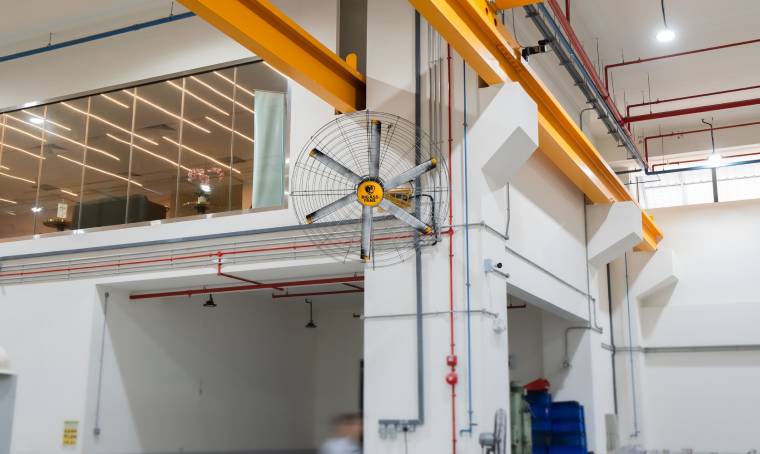
Stagnant air and high humidity can encourage the growth of mould, bacteria, and allergens. Poor air quality affects occupants’ health, leading to higher absenteeism and reduced productivity. Early airflow planning ensures that your facility maintains clean, breathable air year-round. Using HVLS fans or strategically placed commercial fans helps circulate air evenly, reducing dampness and improving overall indoor air quality.
Protection of Infrastructure and Assets
Condensation caused by poor airflow can damage equipment, furniture, and stored goods. It may also lead to corrosion and mould, affecting the facility’s structural integrity. By including ventilation planning in the early stages, you protect your investment and reduce ongoing maintenance costs.
Cost Savings Over the Facility’s Lifetime
Retrofitting airflow solutions after construction is costly and disruptive. Early planning allows you to install the right fans and ventilation systems without interrupting operations. While the initial investment may seem higher, it pays off through reduced energy consumption, lower maintenance, and longer lifespan of equipment and building materials.
Key Considerations for Airflow in Facility Planning
- Space Layout: Open layouts allow for better air movement. Avoid blocking airflow with unnecessary partitions or storage.
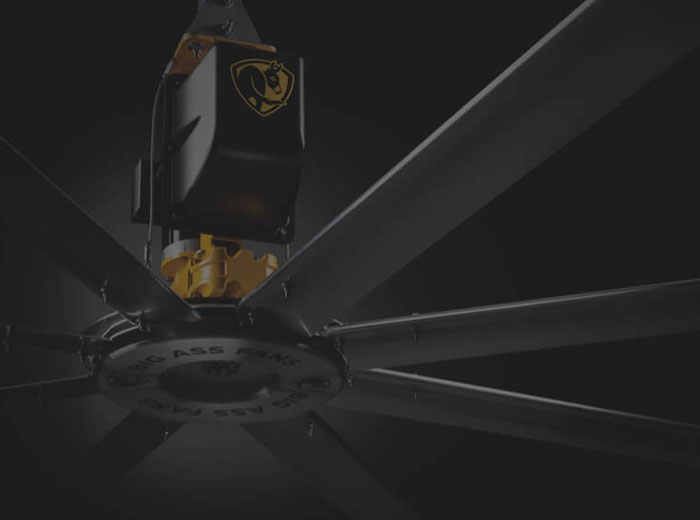
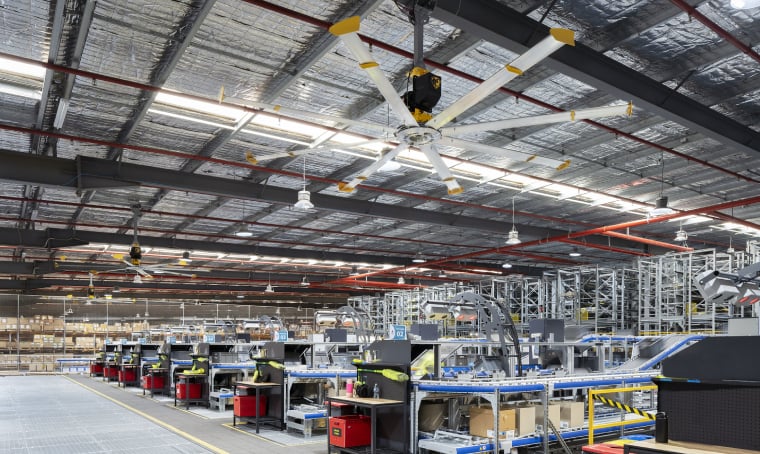
- Ceiling Height: High ceilings require HVLS fans to move air efficiently across large volumes.
- Natural Ventilation: Where possible, incorporate operable windows, vents, or skylights to promote cross-ventilation.
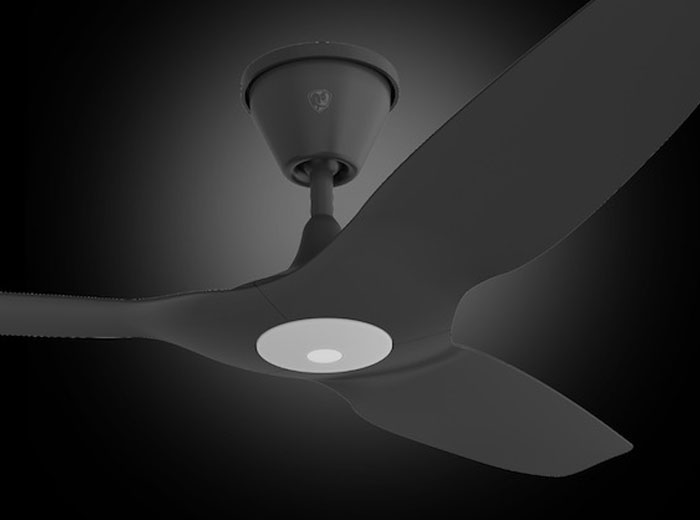
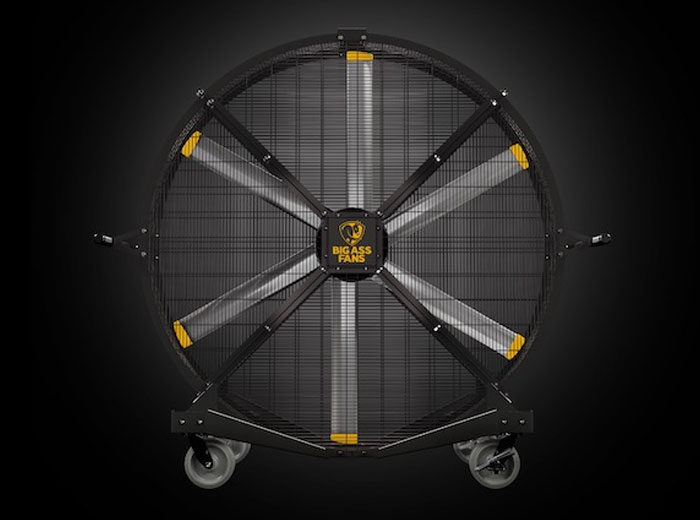
- Fan Selection: Choose the right fan type and size for each area. Industrial HVLS fans are ideal for warehouses, while quiet fans suit offices and gyms. Explore our commercial fans for tailored solutions.
- Integration with HVAC: Plan fans to complement air conditioning, not compete with it. Smart controls can automate airflow for maximum efficiency.
The BAFCO Approach
Our team works closely with architects, developers, and facility managers throughout every stage from blueprint to build. We ensure your airflow strategy is efficient, effective, and future-proof. Our experts provide advice on fan selection, placement, and integration with HVAC systems, backed by local installation and ongoing support.
Practical Steps for Including Airflow in Your Facility Plan
- Consult Early: Bring in an airflow expert during the planning phase. Contact us today to schedule a consultation.
- Assess Needs: Consider occupancy, activities, and local climate conditions.
- Design for Flexibility: Ensure adjustable airflow to accommodate seasonal changes or varying occupancy levels.
- Budget for Quality: Allocate funds for high-quality fans and controls, which provide long-term savings and reliability.
- Plan for Maintenance: Ensure easy access for cleaning and servicing fans and vents to maintain optimal performance.
Conclusion
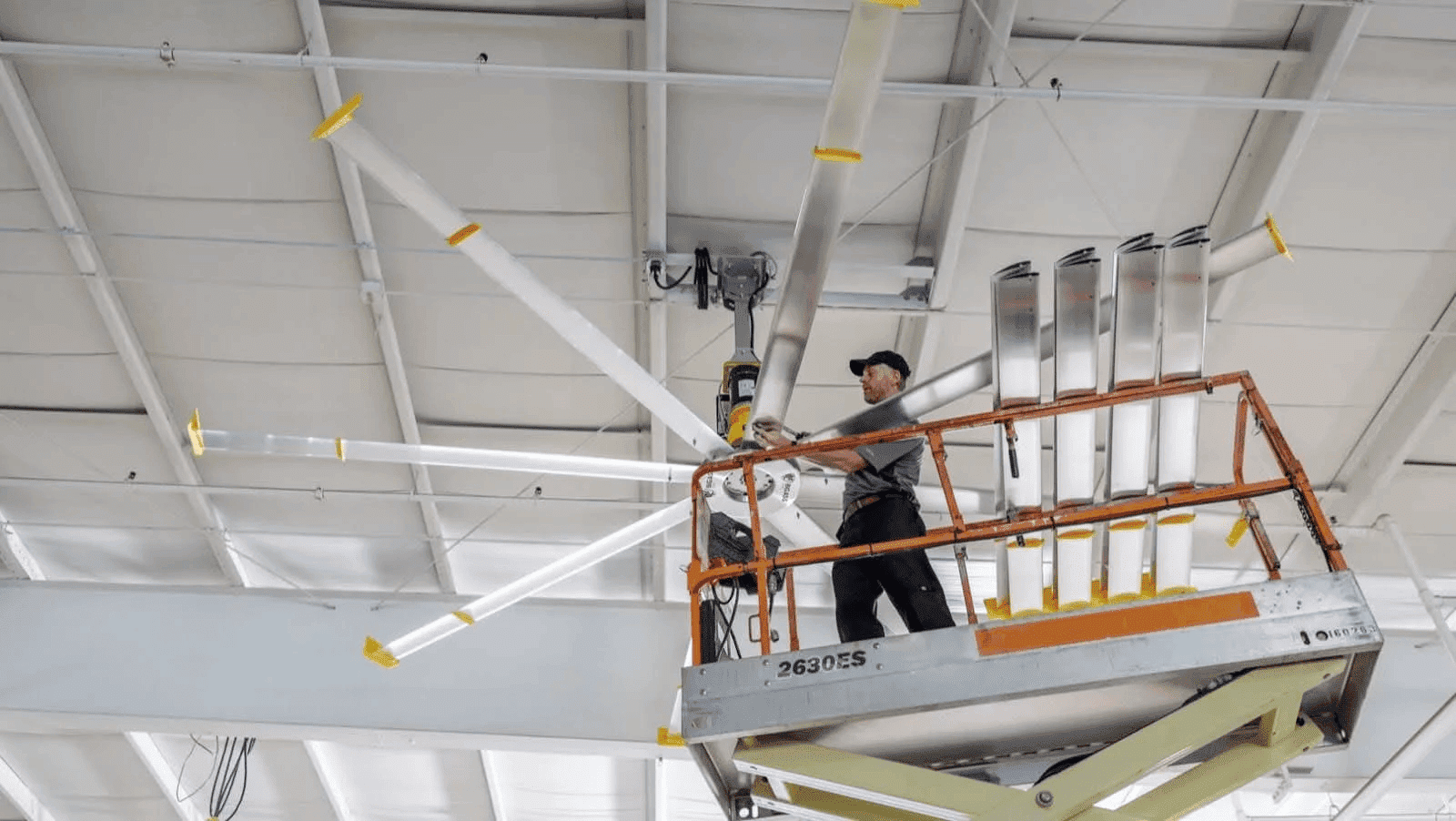
Factoring airflow into the early stages of facility planning is one of the smartest decisions you can make in Singapore’s tropical climate. It ensures comfort, protects your assets, improves indoor air quality, and delivers significant long-term cost savings. At BAFCO, we are ready to help you design and deliver a facility that feels as good as it looks.
FAQs
1. Why should airflow be considered early in facility planning?
Early planning prevents costly retrofits and ensures optimal comfort, efficiency, and health from day one.
2. What are the risks of poor airflow in a new building?
Risks include mould, condensation, equipment damage, and high energy bills.
3. How do HVLS fans fit into new facility design?
HVLS fans are ideal for large, high-ceiling spaces and can be integrated with other ventilation and HVAC systems for efficient airflow.
4. Can airflow planning help with sustainability goals?
Absolutely. Proper airflow reduces energy consumption and supports green building certifications.
5. Does BAFCO provide consultation during facility planning?
Yes, our team works with you from the design phase to ensure your facility is optimised for airflow and comfort.